
Positive Lactoferrin in Stool: Causes and What to Do Next
Learn what a positive lactoferrin in stool test means, common causes, symptoms, and the next steps for diagnosis and digestive health treatment......
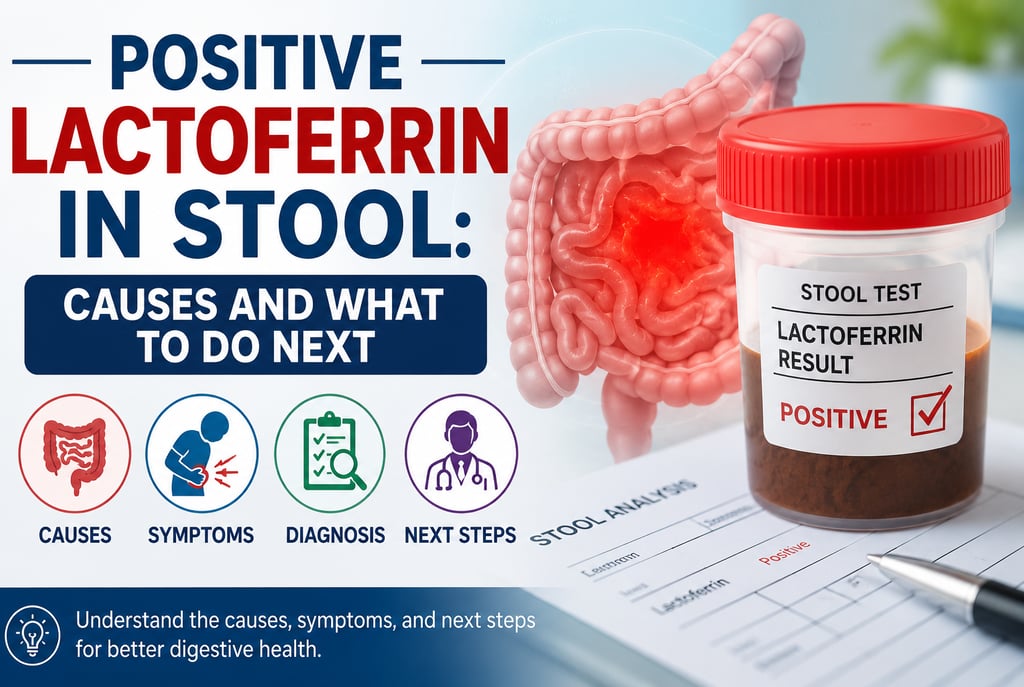
A positive lactoferrin in stool test result can raise concerns, especially if you are dealing with digestive symptoms like diarrhea, stomach pain, or bowel discomfort. Lactoferrin is a protein released by white blood cells during inflammation. When it is found in stool, it may indicate inflammation in the intestines, which can help doctors identify digestive conditions and infections.
In this blog, we’ll explain what causes positive lactoferrin in stool, what the test means, and what steps to take next.
What Is Lactoferrin in Stool?
Lactoferrin is a natural protein found in the body’s immune cells, especially in white blood cells (neutrophils). Its main role is to help fight infection and control inflammation.
When the digestive tract becomes inflamed, white blood cells move into the intestines and release lactoferrin, which can then appear in stool. This is why doctors use a fecal lactoferrin test to detect intestinal inflammation.
A positive lactoferrin stool test generally means there is some level of inflammation in the gastrointestinal tract.
What Causes Positive Lactoferrin in Stool?
Several medical conditions can cause elevated or positive lactoferrin in stool.
1. Inflammatory Bowel Disease (IBD)
One of the most common causes is IBD, including:
Crohn’s disease
Ulcerative colitis
These conditions cause chronic inflammation in the intestines, which often leads to higher lactoferrin levels.
2. Bacterial Infections
Certain bacterial infections can inflame the intestines and trigger a positive result, such as:
Salmonella
Campylobacter
Clostridioides difficile (C. diff)
Shigella
In these cases, diarrhea, fever, and abdominal cramps may also occur.
3. Intestinal Inflammation
General inflammation caused by injury, irritation, or immune response can also lead to elevated stool lactoferrin levels.
4. Gastrointestinal Infections
Viral or parasitic infections may sometimes contribute to inflammation and positive lactoferrin findings.
5. Colitis
Different types of colitis, including infectious colitis and inflammatory colitis, may increase lactoferrin in stool.
Symptoms That May Occur With Positive Lactoferrin in Stool
A positive result often appears along with digestive symptoms such as:
Persistent diarrhea
Abdominal pain or cramping
Blood in stool
Fever
Bloating
Urgency to use the bathroom
Weight loss
Fatigue
Symptoms depend on the underlying cause.
What Does a Positive Lactoferrin Stool Test Mean?
A positive lactoferrin stool test does not diagnose a specific disease by itself. Instead, it tells doctors that inflammation is present in the intestines.
This helps distinguish between:
Inflammatory conditions (like Crohn’s disease or ulcerative colitis)
Non-inflammatory digestive disorders (like IBS)
For example:
Positive lactoferrin → inflammation likely present
Negative lactoferrin → inflammation less likely
Doctors usually combine this test with other evaluations to determine the exact cause.
What to Do Next After a Positive Lactoferrin Result
If your stool test shows positive lactoferrin, here are the common next steps:
Consult a Doctor
A healthcare provider will review your symptoms and medical history to determine the possible cause.
Additional Testing
Doctors may recommend:
Stool culture
Blood tests
Colonoscopy
Fecal calprotectin test
Imaging scans
These tests help identify infection, IBD, or other intestinal issues.
Monitor Symptoms
Pay attention to symptoms such as:
Severe diarrhea
Bloody stool
Fever
Weight loss
Persistent abdominal pain
These may require immediate medical attention.
Follow Treatment Based on Diagnosis
Treatment depends on the cause and may include:
Antibiotics for bacterial infection
Anti-inflammatory medicines for IBD
Dietary adjustments
Hydration and supportive care
Can Lactoferrin in Stool Be Temporary?
Yes, in some cases, a positive result may be temporary, especially if it is caused by:
A short-term infection
Temporary inflammation
Recent gastrointestinal illness
However, persistent positive lactoferrin may need further medical evaluation.
Lactoferrin in Stool vs IBS
Many people wonder about the difference between positive lactoferrin in stool and IBS.
IBS (Irritable Bowel Syndrome) usually does not cause inflammation, so lactoferrin is typically normal.
IBD or infection often causes inflammation, leading to elevated lactoferrin levels.
This is why the lactoferrin stool test is helpful for doctors.
Final Thoughts
A positive lactoferrin in stool result suggests that inflammation may be present in the digestive tract. While this can be caused by infections, inflammatory bowel disease, or colitis, the test alone does not confirm a diagnosis.
The best next step is to consult a healthcare provider, especially if you have ongoing digestive symptoms. Early testing and proper diagnosis can help identify the cause and guide treatment.
Understanding your stool test results is the first step toward better digestive health.